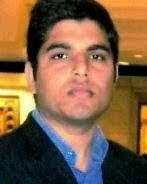
Recently I have attended many events on entrepreneurial innovations including last one at FICCI (8th September, New Delhi); the theme of conference was Making India an Innovation Hub, which was quite noble from the perspective of spurting faith in entrepreneurial potential in the country. Indeed innovation is imperative in every domain in life since it has creative bearings over a potential target, so it’s a sort of energy that’s capable to harness the skills along with imparting conduce ground for entrepreneurship.
Without even a bit of hassle it could be said that presently Indian business seems badly thirsty for the drops of innovation; India being a billion plus size country with its sub-Saharan infrastructure erstwhile remained focused on conservative and cumbersome path of development which normally came out with many depressive impediments.
Choosing the path of mixed economy, Indian economy have been consistently coping up with ideological fractions in political- economic circle that caused for its sluggish development until ushering into phase of liberalization in early nineties, somehow in compelled situation.Crux of the matter is either Socialism or Capitalism let allowed a national economy to grow in its fundamental fervors unlike the Indian experiment with mixed economy which with many languishing political decisions remained standing in bizarre situation.
Any way it doesn’t mean to say that concept of mixed economy was proven failure in Indian circumstances instead its maligned political handling that undermine the potential growth of Public sector enterprises which further dampen the socialistic temptations of economy.
Despite such frills some Public sectors enterprise have proved their worth; performances of Public sectors banks including Regional Rural Banks (RRBs) could be counted in these lists as they more or less remains unaffected through global financial crisis. Here it may takes into long introspection that how these banks remain unaffected?
But a simple answer could be that these banks were less integrated with the fluctuating global businesses albeit it wasn’t an innovation or any counter of such propositions; it was merely an act of inaction regarding the myopic financial routes like hedge funds and other derivatives product that finally saved them from losses. Sometimes inaction is better than action as in this case but that approach shouldn’t be germed in minds for all actions.
Some time back,United Kingdom released the Turner’s review report on financial meltdown which lay out the main themes behind the acute financial failures in western countries.As per the report that mechanized experiments in the name of innovation and blind move for creating bigger entities was the major cause of failures for financial sector players in Europe and U.S.A. Joseph Stiglitz expressed similar contention that bigger entities needs bigger supervision and regulation without having such backups sometimes makes business vulnerable for failure; of course efficiency maters more than the giant sizes of a business entities in most of conditions.
A true innovation can be panache for empowerment of its practitioners besides fuelling growth in productive activities; there are many subtle experiments in our daily life that deserves more proper consideration for its institutional and professional advancement from the respective policy makers.
Persons like Prof. Anil Gupta (IIMA, National Innovation Foundation, SRISTI and Honey Bee Network)is doing exemplary jobs to conserve and retrieve the extinct traditional knowledge and infuse lease for curious observations from bottom of pyramids. Campaign like Universal Financial Access (UFA) evangelizing by eminent banker Mr. Sanjaya Bhargava and others like minded peoples for attaining the goal of complete financial inclusion in early next decades, its theme (Billions through innovations) presents a sanguine picture for innovation that reflect the rosy outcomes of innovative thoughts.
It’s quite alluring to feel that Mr. Sanjaya Bhargava has entered in such arena after leaving his phenomenal stint in City bank where he heading for corporate charges that have very few similarity with such grass rooted and non-profit movement; he is a man of focus and he deserves applauds for such though innovation.
Mr. Mahendra Pratap is next name (President, iMFAST and co-founder NCR Tech Group) in this series; he is similarly the doyen of innovation who relentlessly keeps striving for technological innovation in Indian financial sector with motives to spread its easy reach to the common masses. Spreading of ATM network including with some bio-metric applications, electronic payment to workers of NREGA, door banking, mobile banking,24@7 banking etc are some outcomes of meticulous innovation that maximizing faith in financial inclusion movement.
Innovative ideas in thoughts, services and action are very essential for encouraging and rationalizing socio- psychological perceptions and its development among the all age groups since innovation hardly need any specific age to materialize. Like many other positive ideas, an innovative proposition also requires some rudimentary cautiousness that must be followed to avoid any future chaos; what we have witnessed through financial sector failures in U.S.A and all over the world. Positive restraint would even enhance the capability of an innovation… we must deliberate under our own imposed disciplines that would further take us into an ethical level playing field.
Atul kumar Thakur
September9th 2009, New Delhi
atul_mdb@rediffmail.com
Wednesday, September 9, 2009


Thursday, September 3, 2009
March of Universal Financial Access
Debate is still in full swing for attaining the goal of financial inclusion in stipulated time-frame to usher India in a new age of institutional finances. The rudimentary goal of financial inclusion in Indian perspective is very compatibles with the long sought-after necessity of expanding institutional financial services to the unreached segment of society. It would be imperative here to see that despite witnessing spectacular success with regulated inclination of Indian financial sector still a considerable pool of population is out from its core ambit.
These financially untapped common masses are not only missing the access of formal banking services but they are also deprived from a proper entitlement which eventually outpaced them from mainstream and leads them in the trajectory of exploitative money lending markets.
Such conditional fall leads them to the financial viciousness and alarming indebtedness that altered the course of their lives; for checking these sorts of unfortunate developments, institutional financial delivery at rational interest rate would be a plausible panacea. As the maladies of indebtedness being evident among the farmers, it’s an urgent need to combat these problems on two different front; first to raise the reach of institutional financial services among untapped groups with avoiding the practices of exorbitant charges as some of Micro Financial Institutions (MFIs) are indulged in similar practices and second to offer timely credits for productive purposes instead for consumption.
Models of Regional Rural Banks (RRBs) and co-operative banks could be the fine example for newly emerging Micro financial institutions by lessening their operating cost through technological innovation and adaptation to local conditions and wisdom of practices.
Movement of Universal Financial Access or UFA is a very comprehensively shaped idea that drawn and being propagated by the distinguished banker Mr. Sanjaya Bhargava who left his illustrating full time career for activism of financial inclusion. The basic idea of UFA is meticulously woven for the conditions which are frequent in bottom level of banking practices in India.
Today lack of entitlement primarily fuelled by the low penetration of formal banking and other services among the marginalized section especially in rural areas. UFA movement is trying to bridge the gap between actual demand and supply scenario by tracing the operational loopholes in existing Micro financial institutions and retrieving solutions for better materialization of financial inclusion.
Indeed the conceptualization of financial inclusion by UFA evangelist introduces a new chapter of innovation in Indian financial sector entrusted with broad welfare aims. The drive for universal financial access becomes more vital especially it’s concern with languishing fortune of farmers and others from the bottom of pyramid who grossly left untouched from the great Indian growth story, so its focus area is adverse tantamount generated from unequal growth agenda.
UFA stressed for appropriating technological innovation in the operational domain by the financial institutions in rural areas to curb the cumbersome expense on its service delivery. Revolution in Telecommunication sector is the finest available example before the financial institutions to spread their products at affordable price in hassle free environment.
Consequently with such approaches Telecommunication today enjoying the most respectable position in Indian business and its bullish impact could be visualized any where,spectacular monthly addition of four million subscriber bases with growing Average Revenue per Users(ARPU) rate signaling the makeshift of a sluggish sector into a full bloom arena.At policy level government is too looking serious to attain the goal of financial inclusion by lending directives to Reserve Bank of India,to accommodate the hitherto unbaked persons.
Social schemes like NREGA, Indira Awas Yojna, Self Help Groups etc;are helping the conducive proceedings of financial inclusion plan since the all transactions has to be dealt only through the banks now that giving a lease for institutional financial awareness.
Unique Identification Programme (UID) is an other initiative of government under the visionary chairmanship of Mr. Nandan Nilekani, to end the identity crisis among a large chunks of population who hitherto were not able to avail the benefits of institutional support as they were lacking to fulfills the Know Your Customers(KYC) norms and other hassle full obligations. Previously the only exceptions were the Regional Rural Banks (RRB) & Co-operative Banks as they actively used to practicing the Different Rate of Interest Schemes (DRI) to weaker sections with no frills account services.
Comercial banks including Private sector banks & privately MFIs have to go a long way to come as par the endeavour made by the RRBs & Co- Operative banks through their rural focused & exactly need based services to cater the aspirations of Common Men (Aam Aadmi).
This is the prime area where the UFA movement can persuade to new age players in financial sectors for making action on many previously drifted approaches ;so, first of all it is most essential to be pragmatic on rural India’s needs and than making such effective efforts to contain the handicaps of attaining the full scale financial inclusion.Movements like UFA has greater bearing for the plights of small house holds who involves in unorganized sector and largely defunct from any institutional favour for their basic financial needs.
At this point, rural India’s today needs big push from all sides as the rural hinterland craves for basic facilities & proper opportunities that forces there dwellers towards upward migration in bigger cities; for maintaining equilibrium of prosperities (growth & effectiveness)these area must be given their due.
Financial Services has to play a major role in further development of rural India since investment in different domains going to play catalyst role in economic activities and productions. A grass root effort of spurting entrepreneurship can effectively address the rural areas .
A country like India with billion plus size of population could hardly underrate the importance of its primary sector; so, it should be the foremost aim of any noble initiatives like Universal Financial Access (UFA) to spread the word for saving the villages from despair and infuse hope in these core areas through ensuring basic facilities. Lot of wishes for UFAs like phenomenon movement … hope this movement would relentlessly strive for a vibrant ecosystem that may forward financial inclusion ahead and increase access to financial services in India in very democratic manner.
Atul Kumar Thakur
September2nd 2009, New Delhi
atul_mdb@rediffmail.com
These financially untapped common masses are not only missing the access of formal banking services but they are also deprived from a proper entitlement which eventually outpaced them from mainstream and leads them in the trajectory of exploitative money lending markets.
Such conditional fall leads them to the financial viciousness and alarming indebtedness that altered the course of their lives; for checking these sorts of unfortunate developments, institutional financial delivery at rational interest rate would be a plausible panacea. As the maladies of indebtedness being evident among the farmers, it’s an urgent need to combat these problems on two different front; first to raise the reach of institutional financial services among untapped groups with avoiding the practices of exorbitant charges as some of Micro Financial Institutions (MFIs) are indulged in similar practices and second to offer timely credits for productive purposes instead for consumption.
Models of Regional Rural Banks (RRBs) and co-operative banks could be the fine example for newly emerging Micro financial institutions by lessening their operating cost through technological innovation and adaptation to local conditions and wisdom of practices.
Movement of Universal Financial Access or UFA is a very comprehensively shaped idea that drawn and being propagated by the distinguished banker Mr. Sanjaya Bhargava who left his illustrating full time career for activism of financial inclusion. The basic idea of UFA is meticulously woven for the conditions which are frequent in bottom level of banking practices in India.
Today lack of entitlement primarily fuelled by the low penetration of formal banking and other services among the marginalized section especially in rural areas. UFA movement is trying to bridge the gap between actual demand and supply scenario by tracing the operational loopholes in existing Micro financial institutions and retrieving solutions for better materialization of financial inclusion.
Indeed the conceptualization of financial inclusion by UFA evangelist introduces a new chapter of innovation in Indian financial sector entrusted with broad welfare aims. The drive for universal financial access becomes more vital especially it’s concern with languishing fortune of farmers and others from the bottom of pyramid who grossly left untouched from the great Indian growth story, so its focus area is adverse tantamount generated from unequal growth agenda.
UFA stressed for appropriating technological innovation in the operational domain by the financial institutions in rural areas to curb the cumbersome expense on its service delivery. Revolution in Telecommunication sector is the finest available example before the financial institutions to spread their products at affordable price in hassle free environment.
Consequently with such approaches Telecommunication today enjoying the most respectable position in Indian business and its bullish impact could be visualized any where,spectacular monthly addition of four million subscriber bases with growing Average Revenue per Users(ARPU) rate signaling the makeshift of a sluggish sector into a full bloom arena.At policy level government is too looking serious to attain the goal of financial inclusion by lending directives to Reserve Bank of India,to accommodate the hitherto unbaked persons.
Social schemes like NREGA, Indira Awas Yojna, Self Help Groups etc;are helping the conducive proceedings of financial inclusion plan since the all transactions has to be dealt only through the banks now that giving a lease for institutional financial awareness.
Unique Identification Programme (UID) is an other initiative of government under the visionary chairmanship of Mr. Nandan Nilekani, to end the identity crisis among a large chunks of population who hitherto were not able to avail the benefits of institutional support as they were lacking to fulfills the Know Your Customers(KYC) norms and other hassle full obligations. Previously the only exceptions were the Regional Rural Banks (RRB) & Co-operative Banks as they actively used to practicing the Different Rate of Interest Schemes (DRI) to weaker sections with no frills account services.
Comercial banks including Private sector banks & privately MFIs have to go a long way to come as par the endeavour made by the RRBs & Co- Operative banks through their rural focused & exactly need based services to cater the aspirations of Common Men (Aam Aadmi).
This is the prime area where the UFA movement can persuade to new age players in financial sectors for making action on many previously drifted approaches ;so, first of all it is most essential to be pragmatic on rural India’s needs and than making such effective efforts to contain the handicaps of attaining the full scale financial inclusion.Movements like UFA has greater bearing for the plights of small house holds who involves in unorganized sector and largely defunct from any institutional favour for their basic financial needs.
At this point, rural India’s today needs big push from all sides as the rural hinterland craves for basic facilities & proper opportunities that forces there dwellers towards upward migration in bigger cities; for maintaining equilibrium of prosperities (growth & effectiveness)these area must be given their due.
Financial Services has to play a major role in further development of rural India since investment in different domains going to play catalyst role in economic activities and productions. A grass root effort of spurting entrepreneurship can effectively address the rural areas .
A country like India with billion plus size of population could hardly underrate the importance of its primary sector; so, it should be the foremost aim of any noble initiatives like Universal Financial Access (UFA) to spread the word for saving the villages from despair and infuse hope in these core areas through ensuring basic facilities. Lot of wishes for UFAs like phenomenon movement … hope this movement would relentlessly strive for a vibrant ecosystem that may forward financial inclusion ahead and increase access to financial services in India in very democratic manner.
Atul Kumar Thakur
September2nd 2009, New Delhi
atul_mdb@rediffmail.com
Monday, August 31, 2009
Revisiting NREGA
In a short span of time National Rural Employment Guarantee Act (NREGA) emerged as one of most profound government scheme for addressing the socio-economic plights of poor and marginalized rural workforce and infrastructure. NREGA introduced the finest example of cash for work model in India with some distinctness but same rudimentary propositions like some cash transfer programmes in other countries; Oportunidades (Mexico), Social Protection Network(Nicargua), Bolsa Escola and PETI(Brazil), Family Assignment Programme(RAF-Honduras), Chile Solidario (Chile) and Programme of Advancement through Health and Education(Jamaica).
These all implementation are in respective fields and making choices available to the poor beneficiaries.The NREGA evolved out of a political response to relentless people’s movement and the articulated needs of rural workers; indeed civil campaigns has been playing crucial role in its enactment and further in their functioning.
The NREGS is the first employment generation Programme in the country that holds socio-economic rights in a statutory framework and paves a comprehensive nexus between the mass rural workforce and the state authority which layout not only the NREGS albeit also a solid stride of democratic governance. It must be an exaggeration to expect from the partial success of this rural employment Programme to address all the hurdles of vast rural economy even though it’s a universal truth that NREGS has increased the bargaining power of rural farm and other workforce.
On many front NREGS have enhanced the prospect of revivals in rural economy but magnitude of its performances has been found uneven through region wise evaluation of its impacts on respective milieu. Despite this NREGS involves in creating productive assets, enhancing purchasing power, strengthening the Panchayats (Institution of local self governance) besides encouraging new height of transparency.
With broadening the horizons of NREGS it also raised the concern for medium and small marginal farmers as they are coping with higher and competitive labour costs for the farming; surely it’s a positive outlook in many ways but the deficiency of a rational support price, inclusive institutional credit facilities. Crop insurance, subsidies on basic inputs, cross border trade management etc are some haunting issues which jeopardizing the conditions of farmers.
This is a major issue before the government (Both the Central and State) to enabled these farmers through additional financial stimulous by that they would be able to sustain fetching the farm labourers in competitive scenario of rural labour market.
Governments must show better accountability to innovate and broaden the NREGS Programme to the other productive sectors which would further left the assumption that all poor are ready and willing to engage in physical work only. Such innovated NREGS Programme would be entrusted with the more meticulous and varied opportunities to lessen the vulnerability of literate rural unemployed. Implementation of this innovated employment guarantee Programme may come out with various challenges. The potential beneficiaries are expected to be the crucial issue that would be needed an innovative proposition in handling by the policy makers and governments as well.
Implementation of last fifty years of development programmes could make some sense in forming amicable solution of people’s entitlement that also broaden the stimulus and meet the human and social needs of diversified population.
First of all it’s most imperative to expand the existing works under NREGS and make enabling provisions to employing educated unemployed persons as support staff for the NREGS which would also fulfilled the shortage of staffs in projects. There also existed huge chances of spurting entrepreneurship with absorbing literate workforce for more useful productions which would left with finer implications like checking the outbound migration to urban areas; so NREGS could be used to maintain a fine balance and would retrieve the lost glory of Indian villages.
It may be unanimous view at least in proposition that NREGS bears the great entitlement with large pools of marginalized rural workforce that seems nearer to the Amartya Sen’s entitlement theory ‘That lack of access to food (Goods and Services) rather than failure in food supply leads to famines’ necessitated the importance of entitlement; fortunately which is core of NREGS programme.
NREGS holds very healthy composition of workforce; fifty percent of workers are women and rest of workforce consisted with majority of scheduled castes and scheduled tribes, so its aim of socio-economic empowerment is much focused and well structured. Despite having many goods things in its wish list, this programme suffering from routinely violation by authorities which fudging its proper success at execution level.
Delay of payment, absence of work in stipulated time, late redressal of grievances are some of alarming happening in the execution of NREGS; social scientist and activist like Jean Dreeze have made excellent effort to unleash the various payments related discrepancies in Jharkhand. Today it’s imperative to make NREGS work efficiently and wipeout its functional maladies rather than blindly amending it.Attempts of Ministry of Rural Development to craft the format of “NREGA2” should be introduced only with a long range of debates that must involves its core constituents and ensure the basic foundation of NREGA more strengthened. The focus should be concentrated on demand based availability within the stipulated time frame without any frills and its further extension of 100 days work into a regular mode of job. Indeed with great commitments and vision this target is achievable.
Atul Kumar Thakur
31stAugust 2009, New Delhi
atul_mdb@rediffmail.com
These all implementation are in respective fields and making choices available to the poor beneficiaries.The NREGA evolved out of a political response to relentless people’s movement and the articulated needs of rural workers; indeed civil campaigns has been playing crucial role in its enactment and further in their functioning.
The NREGS is the first employment generation Programme in the country that holds socio-economic rights in a statutory framework and paves a comprehensive nexus between the mass rural workforce and the state authority which layout not only the NREGS albeit also a solid stride of democratic governance. It must be an exaggeration to expect from the partial success of this rural employment Programme to address all the hurdles of vast rural economy even though it’s a universal truth that NREGS has increased the bargaining power of rural farm and other workforce.
On many front NREGS have enhanced the prospect of revivals in rural economy but magnitude of its performances has been found uneven through region wise evaluation of its impacts on respective milieu. Despite this NREGS involves in creating productive assets, enhancing purchasing power, strengthening the Panchayats (Institution of local self governance) besides encouraging new height of transparency.
With broadening the horizons of NREGS it also raised the concern for medium and small marginal farmers as they are coping with higher and competitive labour costs for the farming; surely it’s a positive outlook in many ways but the deficiency of a rational support price, inclusive institutional credit facilities. Crop insurance, subsidies on basic inputs, cross border trade management etc are some haunting issues which jeopardizing the conditions of farmers.
This is a major issue before the government (Both the Central and State) to enabled these farmers through additional financial stimulous by that they would be able to sustain fetching the farm labourers in competitive scenario of rural labour market.
Governments must show better accountability to innovate and broaden the NREGS Programme to the other productive sectors which would further left the assumption that all poor are ready and willing to engage in physical work only. Such innovated NREGS Programme would be entrusted with the more meticulous and varied opportunities to lessen the vulnerability of literate rural unemployed. Implementation of this innovated employment guarantee Programme may come out with various challenges. The potential beneficiaries are expected to be the crucial issue that would be needed an innovative proposition in handling by the policy makers and governments as well.
Implementation of last fifty years of development programmes could make some sense in forming amicable solution of people’s entitlement that also broaden the stimulus and meet the human and social needs of diversified population.
First of all it’s most imperative to expand the existing works under NREGS and make enabling provisions to employing educated unemployed persons as support staff for the NREGS which would also fulfilled the shortage of staffs in projects. There also existed huge chances of spurting entrepreneurship with absorbing literate workforce for more useful productions which would left with finer implications like checking the outbound migration to urban areas; so NREGS could be used to maintain a fine balance and would retrieve the lost glory of Indian villages.
It may be unanimous view at least in proposition that NREGS bears the great entitlement with large pools of marginalized rural workforce that seems nearer to the Amartya Sen’s entitlement theory ‘That lack of access to food (Goods and Services) rather than failure in food supply leads to famines’ necessitated the importance of entitlement; fortunately which is core of NREGS programme.
NREGS holds very healthy composition of workforce; fifty percent of workers are women and rest of workforce consisted with majority of scheduled castes and scheduled tribes, so its aim of socio-economic empowerment is much focused and well structured. Despite having many goods things in its wish list, this programme suffering from routinely violation by authorities which fudging its proper success at execution level.
Delay of payment, absence of work in stipulated time, late redressal of grievances are some of alarming happening in the execution of NREGS; social scientist and activist like Jean Dreeze have made excellent effort to unleash the various payments related discrepancies in Jharkhand. Today it’s imperative to make NREGS work efficiently and wipeout its functional maladies rather than blindly amending it.Attempts of Ministry of Rural Development to craft the format of “NREGA2” should be introduced only with a long range of debates that must involves its core constituents and ensure the basic foundation of NREGA more strengthened. The focus should be concentrated on demand based availability within the stipulated time frame without any frills and its further extension of 100 days work into a regular mode of job. Indeed with great commitments and vision this target is achievable.
Atul Kumar Thakur
31stAugust 2009, New Delhi
atul_mdb@rediffmail.com
Wednesday, August 26, 2009
New Vistas in India-Nepal Trade Relations
India still possess the tag of “Solitaire” in Nepal’s international trade domain as it’s maintain the strategic proportion of sixty one percent of Nepal’s total trade and accounts nearly sixty seven percent of total exports as per the various data suggested in 2008. Although these two friendly neighboring countries share a good deal of trade relations but they still have to tap many improved goals, so further India and Nepal should expand the scope of the existing trade agreements and engage in a more meaningful economic relationship that will aimed with the long-term benefits.
Indeed most of trade treaties in past have been limited to tariff concessions, such benefit are transitory in nature and do not contribute to long-term growth of Nepal’s economy or to sustainable trade between the two countries.
So, there is immediate need of rationalization in crucial trade treaties between these two countries with suitability to modern requirements; some timely taken and conducive approach on policy level with consistency of co-operation from both the economies would be very imperative. Here it’s worthwhile to mention that parity in trade relation between India and Nepal must be soughted even though on partial extant,because for a positive outlook in international trade at least it’s very essential to have healthy contributions from both the side.
In no manner theirs contribution should be misjudged in terms of equal partnership from both the side albeit it requires a positive contribution corresponding to their own economies.
At present Nepal runs a burgeoning trade deficit with India, which increased from $167 million in year 2000 to $1.3 billion in 2008. Nepal’s GDP growth during 2002-03 and 2007-08 was only 3.9 percent. Manufacturing grew the slowest at 1.6 percent indicating that growth in the Nepalese economy occurred with virtually no industrialization. Data suggests the feeble state of affairs in Nepalese economy which is quite below from its actual potential in different sectors.Causes of such inertia in Nepal’s economic development explicit as the under utilized performances of businesses.
For sustaining in modern business and achieving a higher growth Nepal will have to make its economic environment more conducive to the development of entrepreneurship and foreign investments. There is tremendous scope for trade in services like… Tourism, Water Resources, Financial Services, Entertainment etc; foremost area among these are water resources that is most strategic slice where India and Nepal could build numerous high level ties to share the vast hydropower potential of Nepal.
Nepal has huge hydro-power potential of 44,000 MW, which is economically feasible, yet its power deficient and a net importer of power from India; till now very few initiatives have made much progress in this area. Hydro-power would play the catalyst role in drawing the attention of Indian business community because its utmost viability for both the side; so there is immediate need for radical concrete advancement in co-operation between these two countries on water management.
Further the co-operation in this area would leave positive effects on the perennial tragedy of disastrous floods in Terai region of Nepal and adjacent areas of cross border in Indian side (North Bihar, Mithila region) as it’s hampering any large scale entrepreneurial activities in these region due to relentless approaching challenges of nature and its bad human management.
Tourism is another sector where Nepal could have bigger edge than what’s it availing in present time through its abundantly entrusted natural landscapes and historically rich tradition of hospitality.
Today tourism looks for a constructive revival inside the Nepal as its growth badly jeopardized by the decade long civil strife and unstable political situation in country; between 1999 and 2006, the number of tourists declined from 4.92 lakh to 3.84 lakh.A reversal in trend was seen only last year when the number of tourists increased to five lakh. Sharing a long stretch of border and closer ties Indian side likely remains very active in closer enhancement of tourism in Nepal.
India accounts for nearly twenty one percent of total proportion of tourism in Nepal, so its importance could be understood.In his recent visit to India, Nepalese Prime Minister Mr. Madhav Kumar Nepal stressed on the need for closer co-operation in the seven fields including of Telecommunication and financial services are foremost which is very vital for the prospect of India’s more active collaboration in this regard.
As Indian banks and financial institutions are in the upswing mood of diversification such positive invitation from highest political authority of Nepal would inevitably enhanced the prospect of new chapter in financial sectors expansion in Nepal.
Even though some of Indian financial entities has been already functioning there and infusing considerable proportion of businesses. According to Federation of Nepalese Chambers of Commerce and Industry (FNCCI) in year 2007(August}.
Indian companies like SBI (Nepal SBI Bank Ltd, share 50%), PNB (Everest Bank Ltd, share 20%), Alpic Finance Ltd( Alpic Everest Finance Ltd, share 55%), National insurance and Oriental insurance company Ltd having solid base inside the financial sector of Nepal.Albeit it’s should not be a matter of complacency for business leaders of both the side as its quite low from India’s investment potential.
Most of existing Indian financial entities in Nepal hail from Public Sector even till now very few Public Sector players are involved in full swing. So, there persists huge hope for investments in Nepal from both the Indian Public sector and competent Private Sector financial institutions.
Nepal is a formidable terrain for India in every manner and any Indian business venture in this land would be very boosting in trade relationships of these two countries. In recent time numbers of joint ventures business with India ( April 2008, FNCCI) has been considerably increased as 120 companies are operating, 33 are in under construction, 37 are waiting for license and 142 have received approval for businesses.
So some causes are being visible to be sanguine on this development but India-Nepal co-operation must expand to new horizons.To tackling the growing deficit in international trade, Nepal must check its exorbitant taxes on imported goods from India to fostering consumption and production cycle to ultimately improving the rudimentary facilities.
In same manner Nepalese leadership should ensure spurting motivation for export businesses by rationalizing many statutory hurdles as its already availing numerous concessions from Indian side.
Nepal is endowed with finest natural resources and human resources and if found a stable political condition and good law and order situation than there is no reason that it wouldn’t fetch attention for business and investment from outside.
Today for Nepal, it would be very compatible to be more realistic with their interest and must strive for home grown businesses than being an importer nation. With easiest reach and low cost of operation India would be equally benefited from expanding its commercial ties with Nepal. Policy makers should ready for exploring this opportunity with meticulous state of mind.
Atul Kumar Thakur
26th August2009, New Delhi
atul_mdb@rediffmail.com
Indeed most of trade treaties in past have been limited to tariff concessions, such benefit are transitory in nature and do not contribute to long-term growth of Nepal’s economy or to sustainable trade between the two countries.
So, there is immediate need of rationalization in crucial trade treaties between these two countries with suitability to modern requirements; some timely taken and conducive approach on policy level with consistency of co-operation from both the economies would be very imperative. Here it’s worthwhile to mention that parity in trade relation between India and Nepal must be soughted even though on partial extant,because for a positive outlook in international trade at least it’s very essential to have healthy contributions from both the side.
In no manner theirs contribution should be misjudged in terms of equal partnership from both the side albeit it requires a positive contribution corresponding to their own economies.
At present Nepal runs a burgeoning trade deficit with India, which increased from $167 million in year 2000 to $1.3 billion in 2008. Nepal’s GDP growth during 2002-03 and 2007-08 was only 3.9 percent. Manufacturing grew the slowest at 1.6 percent indicating that growth in the Nepalese economy occurred with virtually no industrialization. Data suggests the feeble state of affairs in Nepalese economy which is quite below from its actual potential in different sectors.Causes of such inertia in Nepal’s economic development explicit as the under utilized performances of businesses.
For sustaining in modern business and achieving a higher growth Nepal will have to make its economic environment more conducive to the development of entrepreneurship and foreign investments. There is tremendous scope for trade in services like… Tourism, Water Resources, Financial Services, Entertainment etc; foremost area among these are water resources that is most strategic slice where India and Nepal could build numerous high level ties to share the vast hydropower potential of Nepal.
Nepal has huge hydro-power potential of 44,000 MW, which is economically feasible, yet its power deficient and a net importer of power from India; till now very few initiatives have made much progress in this area. Hydro-power would play the catalyst role in drawing the attention of Indian business community because its utmost viability for both the side; so there is immediate need for radical concrete advancement in co-operation between these two countries on water management.
Further the co-operation in this area would leave positive effects on the perennial tragedy of disastrous floods in Terai region of Nepal and adjacent areas of cross border in Indian side (North Bihar, Mithila region) as it’s hampering any large scale entrepreneurial activities in these region due to relentless approaching challenges of nature and its bad human management.
Tourism is another sector where Nepal could have bigger edge than what’s it availing in present time through its abundantly entrusted natural landscapes and historically rich tradition of hospitality.
Today tourism looks for a constructive revival inside the Nepal as its growth badly jeopardized by the decade long civil strife and unstable political situation in country; between 1999 and 2006, the number of tourists declined from 4.92 lakh to 3.84 lakh.A reversal in trend was seen only last year when the number of tourists increased to five lakh. Sharing a long stretch of border and closer ties Indian side likely remains very active in closer enhancement of tourism in Nepal.
India accounts for nearly twenty one percent of total proportion of tourism in Nepal, so its importance could be understood.In his recent visit to India, Nepalese Prime Minister Mr. Madhav Kumar Nepal stressed on the need for closer co-operation in the seven fields including of Telecommunication and financial services are foremost which is very vital for the prospect of India’s more active collaboration in this regard.
As Indian banks and financial institutions are in the upswing mood of diversification such positive invitation from highest political authority of Nepal would inevitably enhanced the prospect of new chapter in financial sectors expansion in Nepal.
Even though some of Indian financial entities has been already functioning there and infusing considerable proportion of businesses. According to Federation of Nepalese Chambers of Commerce and Industry (FNCCI) in year 2007(August}.
Indian companies like SBI (Nepal SBI Bank Ltd, share 50%), PNB (Everest Bank Ltd, share 20%), Alpic Finance Ltd( Alpic Everest Finance Ltd, share 55%), National insurance and Oriental insurance company Ltd having solid base inside the financial sector of Nepal.Albeit it’s should not be a matter of complacency for business leaders of both the side as its quite low from India’s investment potential.
Most of existing Indian financial entities in Nepal hail from Public Sector even till now very few Public Sector players are involved in full swing. So, there persists huge hope for investments in Nepal from both the Indian Public sector and competent Private Sector financial institutions.
Nepal is a formidable terrain for India in every manner and any Indian business venture in this land would be very boosting in trade relationships of these two countries. In recent time numbers of joint ventures business with India ( April 2008, FNCCI) has been considerably increased as 120 companies are operating, 33 are in under construction, 37 are waiting for license and 142 have received approval for businesses.
So some causes are being visible to be sanguine on this development but India-Nepal co-operation must expand to new horizons.To tackling the growing deficit in international trade, Nepal must check its exorbitant taxes on imported goods from India to fostering consumption and production cycle to ultimately improving the rudimentary facilities.
In same manner Nepalese leadership should ensure spurting motivation for export businesses by rationalizing many statutory hurdles as its already availing numerous concessions from Indian side.
Nepal is endowed with finest natural resources and human resources and if found a stable political condition and good law and order situation than there is no reason that it wouldn’t fetch attention for business and investment from outside.
Today for Nepal, it would be very compatible to be more realistic with their interest and must strive for home grown businesses than being an importer nation. With easiest reach and low cost of operation India would be equally benefited from expanding its commercial ties with Nepal. Policy makers should ready for exploring this opportunity with meticulous state of mind.
Atul Kumar Thakur
26th August2009, New Delhi
atul_mdb@rediffmail.com
Tuesday, August 25, 2009
Jinnah: An Evangelist of Virulent Ideas
Mr. Muhammad Ali Jinnah, the patriarch of a nation called Pakistan gaining utmost limelight nowadays at least in the imagination of Armed Force officer turned Politician turned a writer Mr. Jaswant Singh who’s getting mixed sort of tag for his juvenile researched book Jinnah: India- Pakistan-Independence. This book came with an unprecedented shock to India’s long standing ethos which culminated in the long process of time, further it engraved with an adversely personified exchange of India’s nation maker’s impressions.
Jaswant Singh’s moves seems to intended for big acclamation and commercial success; in this process he became so hurried that he even forgets to put some genuine historical facts in his historical queries of highly ambiguous political scenario of pre- independent India. In this regard early and timely suited remarks of India’s leading historian, Ram Chandra Guha that “History is not a mathematical game” astutely reveals the feeble nature of this book.
Indeed Mr. Jinnah began his political life as a child of the enlightenment the seeds of which were planted in undivided India by the statesmen of Victorian England but that was not sustained as last eventuality as he was an astute expert of legal practices and his success was largely due to the fact that he was quick to seize the tactical implications of any development. In reality he was a man of ambition and had a very high opinion of his own abilities and the success which he conquered relentlessly in his early professional life.
After a considerable phase of his idealistic convictions he changed his mind for a separate platform of a nation based on communal division, than foremost reason for his avoidance the older beliefs and the Gandhian Congress was his nervousness about the consequences of rousing mass enthusiasm. Some of his quotation sourced from the book “Religion in Politics (Arun Shourie) and Federation of Pakistan which also appeared in The Economic Times dated on August 20th beaks the silence on his actual visions of future.
Countering Congress demand for freedom of a united India, Jinnah raised his voice of protest to gathered crowd at Madras… “In this subcontinent, you have two different societies – the Muslim society and the Hindu society and particularly in this land there is another nation that is the Dravidian. Attacking Mahatma Gandhi for his refusal to accept Muslim League as sole representative of Indian Muslims, Jinnah said “Why should not Mr. Gandhi be proud to say “I am a Hindu, the Congress has a solid Hindu backing. I am not ashamed of saying that I am a Musalman.I am right, I hope and I think even a blind man must have been convinced by now, that the Muslim League has the solid backing of the Musalman of India.
Why then all this camouflage? Why not proudly representing your people and let me meet you proudly representing the Musalmans”. Attacking Muslim Congressmen as “dupes”, “betrayers, traitors and cranks”.
Jinnah said: “The conduct of these dupes of the Congress and these betrayers well nigh disheartens me and I some times ask myself if a community which can still produce so many foolish or treacherous men is worth carrying for, praying for and weeping for. Yet, gentlemen we must not, we can not and we will not yield despair.On a constitution for a united India and democracy, Jinnah said: “Democracy means, to begin with majority rule. Majority rule in a single society is understandable.
Representative government in a single nation, harmonious and homogeneous, is understandable but can such system ever succeed when you have two different nations? Demanding Pakistan, Jinnah told League legislators in Delhi: “I have explained in great detail the fundamental and vital differences between Hindus and Muslims. There never has been for all these two nations.
The Indian unity that we talk of up to today in held by the British and they by their ultimate sanction of the Police and Army maintained peace and law and order.Jinnah’s reply to Congress’ opposition to Pakistan “The Musalmans are not a minority as is commonly known and understood...Musalmans is a nation according to any definition of a nation and they must have their homelands, their territory and their state.
All these comments showed complete contrast to the Mahatma Gandhi with whom he shared some crucial initiatives during the three decades he dominated Indian political arena and who, however much he might adapt himself to the thrusts of circumstances but he aggressively managed on a long range of his own changed perceptions about the future political development with remarkable consistency. He anticipated that a backward community like the Musalmans could be roused to action only by an appeal, its religious faith.
He kept the vows of communalism for communal causes and drawn poignant inspirations from the hard core dictators of Europe like Mussolini, Hitler etc to emerge in the helm of power that further pushed him to a perfect technique of propaganda and mass integration with like minded to which atrocity – mongering was central. For materializing his isolatory aspirations which was also proportionally conducive for the sake of British rule further strengthen the disastrous “ Divide and Rule” diplomacy over a period of half a century was blindly motivated towards this goal.
In his megalomaniac action he could never visualized own faults and kept fostering the wild motives of colonial forces who possessed utmost interest in such large scale growing strife among the India’s political parties and likely changed in key discourses. All this later development in his mindset marked a complete shift from his early ideological temperament which he profoundly shown at many junctures.
On Minto- Morley reforms, he set his face sternly against the British attempts to entice the Muslims away from their allegiance to the Congress and India’s national movement; for long he kept aloof from the Muslim League but alas such thinking couldn’t be endured forever. Here it’s inevitable to illustrate that Jinnah was deeply surrounded with contradictions over his role in contemporary Indian politics; at one side he felt impatient with emerging leadership in Congress and kept himself aloof from the Congress on the other side he also shown cold response to some very strategic stand of Muslim League.
His little sympathy with the Ali Brothers’ Khilafat Movement in Turkey and his favour of unitary government at the first Round Table Conference because of its diversity and unviablity of federal propositions are some of very lucid example of federal propositions are some of very lucid example of his ambiguous policy.
So for any proper evaluation of his work it’s quite essential to conduct a comprehensive introspection in the light of diverse time frame and issues, otherwise any judgments would be ended with improper and frivolous ramifications. So, reaching on an amicable convergence is impossible by vilifying own national heroes in the context of an amorphous act to glorify a man of contradictory nature. Despite this Mr. Jinnah even during his most fractional state never undermine the viability of strong friendship between Pakistan and India besides he also shown great faith in democracy which in subsequent phase strucked downwardly in absence of his own replacement with equal international stature and unquestioned authority over the masses.
He might have been facing many anxious thoughts about the future of newly created Pakistan.Indeed he shown some temptation for secular ideas in his initial days of career but he couldn’t sustained it for longer time; consequently Independence could be materialized only for two divided nation.
So, with such harsh consequences of a long cherished dream of millions of Indian the leaving British colonizers received an unexpected and permanent gift in terms of a long- stretch of disturb south Asia. The British colonizers found a very inevitable place for them in upcoming level playing fields of diplomacy in south, such hassle free materialization of theirs dream became possible through a very synchronized political approach of Muslim League; there folly even haunting today the Pakistan and region in terms of a consistent western intervention in their own pursuits.
Even Jinnah was completely failed to endure his own democratic vision for Pakistan in later period; in no manner he does deserves the epithet like “secular” and any glorification's of his role as torch bearer of secularism would be misleading in an integrated assessment. It would have been quite better for Mr. Jaswant Singh to focus on his meticulous Statesmen quality rather than getting involved in frisking a very in-depth and complex side of his character. Whatever may be further reaction on such more subversive standpoints it must be taken in mind by the every creative person to avail their autonomy judiciously and never on the cost of India’s moral principles which culminated over the long period and sacrifices of countless martyrs. Unsolicited aberrations must be avoided for common goods.
Atul Kumar Thakur
25th August2009, New Delhi
atul_mdb@rediffmail.com
Jaswant Singh’s moves seems to intended for big acclamation and commercial success; in this process he became so hurried that he even forgets to put some genuine historical facts in his historical queries of highly ambiguous political scenario of pre- independent India. In this regard early and timely suited remarks of India’s leading historian, Ram Chandra Guha that “History is not a mathematical game” astutely reveals the feeble nature of this book.
Indeed Mr. Jinnah began his political life as a child of the enlightenment the seeds of which were planted in undivided India by the statesmen of Victorian England but that was not sustained as last eventuality as he was an astute expert of legal practices and his success was largely due to the fact that he was quick to seize the tactical implications of any development. In reality he was a man of ambition and had a very high opinion of his own abilities and the success which he conquered relentlessly in his early professional life.
After a considerable phase of his idealistic convictions he changed his mind for a separate platform of a nation based on communal division, than foremost reason for his avoidance the older beliefs and the Gandhian Congress was his nervousness about the consequences of rousing mass enthusiasm. Some of his quotation sourced from the book “Religion in Politics (Arun Shourie) and Federation of Pakistan which also appeared in The Economic Times dated on August 20th beaks the silence on his actual visions of future.
Countering Congress demand for freedom of a united India, Jinnah raised his voice of protest to gathered crowd at Madras… “In this subcontinent, you have two different societies – the Muslim society and the Hindu society and particularly in this land there is another nation that is the Dravidian. Attacking Mahatma Gandhi for his refusal to accept Muslim League as sole representative of Indian Muslims, Jinnah said “Why should not Mr. Gandhi be proud to say “I am a Hindu, the Congress has a solid Hindu backing. I am not ashamed of saying that I am a Musalman.I am right, I hope and I think even a blind man must have been convinced by now, that the Muslim League has the solid backing of the Musalman of India.
Why then all this camouflage? Why not proudly representing your people and let me meet you proudly representing the Musalmans”. Attacking Muslim Congressmen as “dupes”, “betrayers, traitors and cranks”.
Jinnah said: “The conduct of these dupes of the Congress and these betrayers well nigh disheartens me and I some times ask myself if a community which can still produce so many foolish or treacherous men is worth carrying for, praying for and weeping for. Yet, gentlemen we must not, we can not and we will not yield despair.On a constitution for a united India and democracy, Jinnah said: “Democracy means, to begin with majority rule. Majority rule in a single society is understandable.
Representative government in a single nation, harmonious and homogeneous, is understandable but can such system ever succeed when you have two different nations? Demanding Pakistan, Jinnah told League legislators in Delhi: “I have explained in great detail the fundamental and vital differences between Hindus and Muslims. There never has been for all these two nations.
The Indian unity that we talk of up to today in held by the British and they by their ultimate sanction of the Police and Army maintained peace and law and order.Jinnah’s reply to Congress’ opposition to Pakistan “The Musalmans are not a minority as is commonly known and understood...Musalmans is a nation according to any definition of a nation and they must have their homelands, their territory and their state.
All these comments showed complete contrast to the Mahatma Gandhi with whom he shared some crucial initiatives during the three decades he dominated Indian political arena and who, however much he might adapt himself to the thrusts of circumstances but he aggressively managed on a long range of his own changed perceptions about the future political development with remarkable consistency. He anticipated that a backward community like the Musalmans could be roused to action only by an appeal, its religious faith.
He kept the vows of communalism for communal causes and drawn poignant inspirations from the hard core dictators of Europe like Mussolini, Hitler etc to emerge in the helm of power that further pushed him to a perfect technique of propaganda and mass integration with like minded to which atrocity – mongering was central. For materializing his isolatory aspirations which was also proportionally conducive for the sake of British rule further strengthen the disastrous “ Divide and Rule” diplomacy over a period of half a century was blindly motivated towards this goal.
In his megalomaniac action he could never visualized own faults and kept fostering the wild motives of colonial forces who possessed utmost interest in such large scale growing strife among the India’s political parties and likely changed in key discourses. All this later development in his mindset marked a complete shift from his early ideological temperament which he profoundly shown at many junctures.
On Minto- Morley reforms, he set his face sternly against the British attempts to entice the Muslims away from their allegiance to the Congress and India’s national movement; for long he kept aloof from the Muslim League but alas such thinking couldn’t be endured forever. Here it’s inevitable to illustrate that Jinnah was deeply surrounded with contradictions over his role in contemporary Indian politics; at one side he felt impatient with emerging leadership in Congress and kept himself aloof from the Congress on the other side he also shown cold response to some very strategic stand of Muslim League.
His little sympathy with the Ali Brothers’ Khilafat Movement in Turkey and his favour of unitary government at the first Round Table Conference because of its diversity and unviablity of federal propositions are some of very lucid example of federal propositions are some of very lucid example of his ambiguous policy.
So for any proper evaluation of his work it’s quite essential to conduct a comprehensive introspection in the light of diverse time frame and issues, otherwise any judgments would be ended with improper and frivolous ramifications. So, reaching on an amicable convergence is impossible by vilifying own national heroes in the context of an amorphous act to glorify a man of contradictory nature. Despite this Mr. Jinnah even during his most fractional state never undermine the viability of strong friendship between Pakistan and India besides he also shown great faith in democracy which in subsequent phase strucked downwardly in absence of his own replacement with equal international stature and unquestioned authority over the masses.
He might have been facing many anxious thoughts about the future of newly created Pakistan.Indeed he shown some temptation for secular ideas in his initial days of career but he couldn’t sustained it for longer time; consequently Independence could be materialized only for two divided nation.
So, with such harsh consequences of a long cherished dream of millions of Indian the leaving British colonizers received an unexpected and permanent gift in terms of a long- stretch of disturb south Asia. The British colonizers found a very inevitable place for them in upcoming level playing fields of diplomacy in south, such hassle free materialization of theirs dream became possible through a very synchronized political approach of Muslim League; there folly even haunting today the Pakistan and region in terms of a consistent western intervention in their own pursuits.
Even Jinnah was completely failed to endure his own democratic vision for Pakistan in later period; in no manner he does deserves the epithet like “secular” and any glorification's of his role as torch bearer of secularism would be misleading in an integrated assessment. It would have been quite better for Mr. Jaswant Singh to focus on his meticulous Statesmen quality rather than getting involved in frisking a very in-depth and complex side of his character. Whatever may be further reaction on such more subversive standpoints it must be taken in mind by the every creative person to avail their autonomy judiciously and never on the cost of India’s moral principles which culminated over the long period and sacrifices of countless martyrs. Unsolicited aberrations must be avoided for common goods.
Atul Kumar Thakur
25th August2009, New Delhi
atul_mdb@rediffmail.com
Monday, August 17, 2009
Changing Paradigms in India- Nepal Relations
Today Nepal stands at the crossroads amidst the swiftly changing political tracts and it becoming scarce now to found a closer understanding over the core issues among all the political parties. Such political opportunism truly missing the plight of democracy besides pulling down the national priorities in crucial matters;lucidly it’s an outcome of internal political strife instead from an imposed international pressure. Stability is very crucial for Indian point of views,as in the case of Nepal,India hasn’t any option except to see a sovereign Nepal; concerned authorities in India’s External Affairs Ministry have been consistently showing similar concern and landed all possible support to assist in Nepal’s integration.
Through an honest introspection it’s easily revealed that India never resolute any action in past against the national interest of Nepal, further India never obstruct the formation of any democratic government even including the Maoist government and send their foreign secretary just three days before the government formation.
India- Nepal relations are so strong that it’s very hard to shape in mere words because these two neighboring nation has a history of deep ties and shared concern from ancient times. Quality of relationship between these two countries shouldn’t be seen in terms of treaty; having faith in each other’s role any dispute can be solved and consensus could be formed between these two friendly nations. Indeed there are no reasons among the peoples of the both side of border to involved in any sort of hate campaign against each other; any development in this regard would be ended with an impractical and unviable consequences.
So, it must realized that that interest of India wouldn’t affect the any move of peace process in Nepal; it’s need of hour to end the causes of political insecurity among the diasporas on the both side of borders.
State of Nepal’s internal security possessed as much concern as her own existential safety for India, so any anti Indian move will jeopardize the friendly terms and left alarming ramifications for both the country. India’s concern over the presence of ISI’s agents inside the territory of Nepal must be seen in genuine light by the Nepalese government since it could be highly disturbing in long term for Nepal’s own sake as well. Indian government is very serious towards tackling the terrorist network with wrenched resoluteness and would keep affirming on Nepalese government to check their activities from their sovereign territory.
With more meticulous action some unfortunate developments may be easily avoided; that would required a consensus based approach in top notch Nepalese political circle and within their civil society towards the India’s plight for security.
India never felt any sort of discontents with the democratic proceedings in Nepal; of course Maoist should stay and play active role within their national political framework. Indian government would remain very keen for strengthening of democracy in Nepal and issues like human rights would be a key priority for them with putting finest efforts to see it in universal way beyond the geographical boundaries. In recent past Gorkha’s role in Indian Arm Forces has gained some critical applauds from a reactionary section in Nepal which is quite unfortunate and is an effort to dampen the historic and marvelous symbolic ties between these two friendly nation.
The word consensus has been largely misused in Nepal consequently ultra nationalism in Nepal largely seen in the context of anti- Indian sentiment; a very clear approach would be needed from Nepalese side over such relentless unfortunate developments.
In international affairs domain Nepal needs to play more matured role and must develop a sense of its own best interest; mutual integrated relationship with India paves way for safe passages of trust between them which is quite symmetric to the actual requirements and should remain a foremost concern for both the countries to keep intact these flame of spirits; any constructive solution of joint interest would be emerged from mutual effort instead through isolatory stances.
In changing circumstances it’s quite essential for both the countries to make immediate revisions in bilateral treaties and shaping them as per the suitability of present time. Infrastructures are major issues that needs to look on in such active manner since perennial floods is a major impediment for socio-economic structure of Terai region in Nepal and entire north Bihar.
A radical shift in policy towards the existing infrastructure of water management is the first step that required to be taken by the governments of both countries. Water management possessed very crucial and strategic place in the sphere of India- Nepal relations as their catchments are very productive for the vast agricultural areas as well an alternative source of energy; projects like Pancheswar, Saptakosi, Naumure etc needs rational handling as they are immensely crucial for the sake of both countries energy requirements.
Border management is another issue that needs more regulated treatment though it should remain open as even before because prevalence of open border is the biggest asset of India- Nepal relation and it has potential to be framed as an ideal border of south Asia.
Indeed open border plays crucial significance in the lives of population adjacent to border; since time immemorial they have been sharing the ties of Roti (Bread) and Beti (Matrimonial ties) which even creates complexities of identity.In present state Nepal is coping with the difficulties of constitution making besides having to win the trust of peoples in democratic institution which shown severe fluctuation in immediate past.In this situation grooming of an idea of ethnic federalism and other major issues wouldn’t be less than a fatal as handling of such major issues depends upon the state of stability which is completely out of seen in present circumstances.
Terain’s plight and refugee’s problems are some other rudimentary issues that need proper concern and action from the governments of both the side as law and order situation is a matter that requires the co-operation of other side due to geographical nature and open borders.
In decade long civil war like situation, the Terai region faced adverse setbacks and witnessed the losses of human lives, infrastructure, ecology, law and order etc. Even in last few months toll of losses in Terai is quite frightening, almost 1200 peoples has been killed and more than 3600 were abducted; situation is still very grim inside the Terai region and peoples have some distraught feeling as they used to feel during the bloody strife phase.
Glorifications of Terain Armed groups are caused by the political affiliations and patronage that’s making situation worse in any effort to contain and disband their growing role; catchments areas of North Bihar or Mithilanchal region becomes a hideout place for these groups in the absence of a specified and clear set of mechanism on joint level; a strategic move in this regard is immediately required.
Till today Nepal is missing the actual taste of democracy and whatever has been represented on the name of democracy that never touched the ground of actual aspiration of its citizen. Maoists short stint in government couldn’t materialized their own professed goals instead they turn up to attack on religious identities, authoritarianism, non-pluralism, against right of property besides showing very immature stand on Nepalese Armed Force chief Rukmangad Kotwal; such bad conflict management with Arm force deciphered the feeble understanding of realpolitik in Maoist camp.
Before that incident Nepali Army has history of passive presence and following the civil supremacy which was very conducive with the expectation of Nepalese intelligentsias. But now stands humiliated, Nepalese Army becomes more powerful and strategic which may played crucial roles in further phage of development.
India too witnessed some implications after this incident as the role of India felt prominent by a section of reactionaries in Nepalese politics; former Prime Minister Prachanda’s remarks as “Promped by Prabhu” to present Prime Minister Madhav Kumar Nepal was clearly referred towards the India which was completely unjustifiable. India maintains silence over such rambling propositions even the Indian side never downbeat with the growing Chinese influence in Maoists rule and regarded it just as lacking immune system.
India has huge concern with Nepalese state of affairs in similar manner; Nepal too has immense benefits from a stronger India, so despite some ups and down in events it would be compatible to remains in same strong bond of sharing forever’ Brotherhood always remains a great idea as in such set of relationship every member has some specific roles to play irrespective of identities like big brother and small brother; being sanguine for same must in case of India- Nepal relations.
Atul Kumar Thakur
17thAugust 2009, New Delhi
atul_mdb@rediffmail.com
Through an honest introspection it’s easily revealed that India never resolute any action in past against the national interest of Nepal, further India never obstruct the formation of any democratic government even including the Maoist government and send their foreign secretary just three days before the government formation.
India- Nepal relations are so strong that it’s very hard to shape in mere words because these two neighboring nation has a history of deep ties and shared concern from ancient times. Quality of relationship between these two countries shouldn’t be seen in terms of treaty; having faith in each other’s role any dispute can be solved and consensus could be formed between these two friendly nations. Indeed there are no reasons among the peoples of the both side of border to involved in any sort of hate campaign against each other; any development in this regard would be ended with an impractical and unviable consequences.
So, it must realized that that interest of India wouldn’t affect the any move of peace process in Nepal; it’s need of hour to end the causes of political insecurity among the diasporas on the both side of borders.
State of Nepal’s internal security possessed as much concern as her own existential safety for India, so any anti Indian move will jeopardize the friendly terms and left alarming ramifications for both the country. India’s concern over the presence of ISI’s agents inside the territory of Nepal must be seen in genuine light by the Nepalese government since it could be highly disturbing in long term for Nepal’s own sake as well. Indian government is very serious towards tackling the terrorist network with wrenched resoluteness and would keep affirming on Nepalese government to check their activities from their sovereign territory.
With more meticulous action some unfortunate developments may be easily avoided; that would required a consensus based approach in top notch Nepalese political circle and within their civil society towards the India’s plight for security.
India never felt any sort of discontents with the democratic proceedings in Nepal; of course Maoist should stay and play active role within their national political framework. Indian government would remain very keen for strengthening of democracy in Nepal and issues like human rights would be a key priority for them with putting finest efforts to see it in universal way beyond the geographical boundaries. In recent past Gorkha’s role in Indian Arm Forces has gained some critical applauds from a reactionary section in Nepal which is quite unfortunate and is an effort to dampen the historic and marvelous symbolic ties between these two friendly nation.
The word consensus has been largely misused in Nepal consequently ultra nationalism in Nepal largely seen in the context of anti- Indian sentiment; a very clear approach would be needed from Nepalese side over such relentless unfortunate developments.
In international affairs domain Nepal needs to play more matured role and must develop a sense of its own best interest; mutual integrated relationship with India paves way for safe passages of trust between them which is quite symmetric to the actual requirements and should remain a foremost concern for both the countries to keep intact these flame of spirits; any constructive solution of joint interest would be emerged from mutual effort instead through isolatory stances.
In changing circumstances it’s quite essential for both the countries to make immediate revisions in bilateral treaties and shaping them as per the suitability of present time. Infrastructures are major issues that needs to look on in such active manner since perennial floods is a major impediment for socio-economic structure of Terai region in Nepal and entire north Bihar.
A radical shift in policy towards the existing infrastructure of water management is the first step that required to be taken by the governments of both countries. Water management possessed very crucial and strategic place in the sphere of India- Nepal relations as their catchments are very productive for the vast agricultural areas as well an alternative source of energy; projects like Pancheswar, Saptakosi, Naumure etc needs rational handling as they are immensely crucial for the sake of both countries energy requirements.
Border management is another issue that needs more regulated treatment though it should remain open as even before because prevalence of open border is the biggest asset of India- Nepal relation and it has potential to be framed as an ideal border of south Asia.
Indeed open border plays crucial significance in the lives of population adjacent to border; since time immemorial they have been sharing the ties of Roti (Bread) and Beti (Matrimonial ties) which even creates complexities of identity.In present state Nepal is coping with the difficulties of constitution making besides having to win the trust of peoples in democratic institution which shown severe fluctuation in immediate past.In this situation grooming of an idea of ethnic federalism and other major issues wouldn’t be less than a fatal as handling of such major issues depends upon the state of stability which is completely out of seen in present circumstances.
Terain’s plight and refugee’s problems are some other rudimentary issues that need proper concern and action from the governments of both the side as law and order situation is a matter that requires the co-operation of other side due to geographical nature and open borders.
In decade long civil war like situation, the Terai region faced adverse setbacks and witnessed the losses of human lives, infrastructure, ecology, law and order etc. Even in last few months toll of losses in Terai is quite frightening, almost 1200 peoples has been killed and more than 3600 were abducted; situation is still very grim inside the Terai region and peoples have some distraught feeling as they used to feel during the bloody strife phase.
Glorifications of Terain Armed groups are caused by the political affiliations and patronage that’s making situation worse in any effort to contain and disband their growing role; catchments areas of North Bihar or Mithilanchal region becomes a hideout place for these groups in the absence of a specified and clear set of mechanism on joint level; a strategic move in this regard is immediately required.
Till today Nepal is missing the actual taste of democracy and whatever has been represented on the name of democracy that never touched the ground of actual aspiration of its citizen. Maoists short stint in government couldn’t materialized their own professed goals instead they turn up to attack on religious identities, authoritarianism, non-pluralism, against right of property besides showing very immature stand on Nepalese Armed Force chief Rukmangad Kotwal; such bad conflict management with Arm force deciphered the feeble understanding of realpolitik in Maoist camp.
Before that incident Nepali Army has history of passive presence and following the civil supremacy which was very conducive with the expectation of Nepalese intelligentsias. But now stands humiliated, Nepalese Army becomes more powerful and strategic which may played crucial roles in further phage of development.
India too witnessed some implications after this incident as the role of India felt prominent by a section of reactionaries in Nepalese politics; former Prime Minister Prachanda’s remarks as “Promped by Prabhu” to present Prime Minister Madhav Kumar Nepal was clearly referred towards the India which was completely unjustifiable. India maintains silence over such rambling propositions even the Indian side never downbeat with the growing Chinese influence in Maoists rule and regarded it just as lacking immune system.
India has huge concern with Nepalese state of affairs in similar manner; Nepal too has immense benefits from a stronger India, so despite some ups and down in events it would be compatible to remains in same strong bond of sharing forever’ Brotherhood always remains a great idea as in such set of relationship every member has some specific roles to play irrespective of identities like big brother and small brother; being sanguine for same must in case of India- Nepal relations.
Atul Kumar Thakur
17thAugust 2009, New Delhi
atul_mdb@rediffmail.com
Bumpy Quivering In Indian Mutual Fund Industry
As on July end, the Indian Mutual fund industry manages an asset base of RS 6, 86,946 crore which seems quite impressive in first impression but an in-depth introspection reveals this performances as below of actual potential of presently existing thirty six fund houses. It’s not less surprising that top five Mutual funds houses accounting for over fifty present of the total asset base, so there is huge scopes persist for entry of new players in Mutual fund industry.
According to a recent report of The Economic Times, twenty six funds waiting for approval of business before SEBI (Security and Exchange Board of India); expected potential for more players foraying into the Mutual fund space may lead this industry for stronger consolidation.Mutual fund industry despite having an existence of fifteen years has yet to secure its position as a formidable player in the domain of financial services.
Now the going away of entry load will leave greater obstacles before industry players in attracting the investors. Scrapping entry loads has apparently put Mutual funds at a disadvantage vis-à-vis viable products like ULIPS at the distribution end. Before August 1st, Mutual funds were charging an entry load of 2-2.5% and paying a commission of around 3% to their distributors that mean fund houses had to burn around the cost of 50 to 100 basis point. Such proportion of cost for Asset Management Company was quite low which now they wouldn’t longer afford in the wake of new SEBI ruling.
Even though withering of entry load by SEBI is logical for the sake of investor’s interest as previously availing with fixed nature of commission hardly compelled distributors and Independent Financial Advisors for better consultancy to investors. In absence of adequate information generally investors couldn’t secure there intended benefits from investment.
Now the Mutual fund distribution set to become more demand based rather than sales push, so the time is ripe for investors to be more careful as distributors might push other products such as ULIPS more at least in short term. Indeed the new ruling will lead market towards stiff competitive regime in which the investor will have greater voice although that would require a better financial literacy scenario which at present is quite unsatisfactory in India.
On the other end new SEBI ruling will adversely affect the Mutual fund industry as the overall distribution network is going to face severe challenges; risk has arises of small distributors losing their business and large distributors getting consolidated. Even before the implantation of new ruling Mutual fund industry lacked the distribution network to cover the entire country in a meaningful manner; some plans are in the air for establishing the grand distribution and trading platforms.
Such materialization would of course mitigate the long pending sluggishness of proper distribution network but that must not oust the IFA’s role; they must have to co-exist for further deliberation.In the new set of condition it would be quite imperative to have a triangular interface amidst the Mutual fund , investors and distributors with a consensus based settlement of commission and various other impetus; certainly it would be require disclosure norms more tightened and transparent. There must be a definite set of rules that apply equally to similar products irrespective of seller’s identity.
Apart from the challenges of new directives from SEBI, existences of some non-serious players in the business are equally posing serious concern over the maximization of its reach in financial market.
It seems quite astonishing after passing through the facts regarding very low requirements (Rs 10 crore) to start a Mutual fund unlike the Banking or Insurance business. Despite such hassle free monetary norms; leaders in Mutual fund couldn’t visualize the need for its pan Indian presence like the counterpart’s Bank and Insurance. Presently majority of Mutual funds business comes from corporate (around 70%); here the Mutual funds business urgently needed for some stringent regulatory mandate like rural penetration of business like the counterparts in financial services.
As per a survey of Value research ( An independent research and analysis institution), the industry’s present penetration is estimated at 4.5% as against 10-15% of Insurance business; there are around 3 million agents for Insurance products and just 80,000 distributors for Mutual funds. Indeed both have their own strength and weakness of business but at the moment Mutual fund industry required a tectonic shift in their products distribution in enhanced innovation and co-operation with Banks and Insurance sector.
Mutual fund industry by remodeling many products can leverage upon Insurance’s distribution networks since both are ‘push’ products. Structural changes in selling practices and better offers of reward in distribution network would be a crucial impetus in sustaining and rising of falling esteems in this business.
Today Mutual fund industry is standing at crossroads where it has to cope with many swiftly approaching challenges including a very consistent stiff competition from Insurance industry. Insurance businesses are in win-win situation in comparison of Mutual funds as they availing the traditional edge of being a tool of tax saving besides having a wide network of its distribution channels lead this industry to every threshold in both the urban and rural spaces in equal manners.
To gain an actual breakthrough, potential think tanks of Mutual fund sector should reassess their ongoing business model in terms of targeted breakthrough and further marched towards the comprehensive diversification. Diversification's in the sense, that it would reduce any adverse exposure from a specific sector and would mitigate other invisible travesty.Probably this lesson is most rational after suffering a chronic, meltdown of international financial system which not only raises question on the confined treatment of financial planning but also showed the solution in a diversified and transparent way of business behavior.
Indian market has a huge potential for the growth of Mutual fund business but it would require first to decipher the codes of investor’s expectation from the products. More and more adaptation with the Indian condition would harness the success story; fewer amounts of frills along with the greater amount of ethics and trust would be matched with the genuine plight of this growing sector.
Atul Kumar Thakur
17th August2009, New Delhi
atul_mdb@rediffmail.com
According to a recent report of The Economic Times, twenty six funds waiting for approval of business before SEBI (Security and Exchange Board of India); expected potential for more players foraying into the Mutual fund space may lead this industry for stronger consolidation.Mutual fund industry despite having an existence of fifteen years has yet to secure its position as a formidable player in the domain of financial services.
Now the going away of entry load will leave greater obstacles before industry players in attracting the investors. Scrapping entry loads has apparently put Mutual funds at a disadvantage vis-à-vis viable products like ULIPS at the distribution end. Before August 1st, Mutual funds were charging an entry load of 2-2.5% and paying a commission of around 3% to their distributors that mean fund houses had to burn around the cost of 50 to 100 basis point. Such proportion of cost for Asset Management Company was quite low which now they wouldn’t longer afford in the wake of new SEBI ruling.
Even though withering of entry load by SEBI is logical for the sake of investor’s interest as previously availing with fixed nature of commission hardly compelled distributors and Independent Financial Advisors for better consultancy to investors. In absence of adequate information generally investors couldn’t secure there intended benefits from investment.
Now the Mutual fund distribution set to become more demand based rather than sales push, so the time is ripe for investors to be more careful as distributors might push other products such as ULIPS more at least in short term. Indeed the new ruling will lead market towards stiff competitive regime in which the investor will have greater voice although that would require a better financial literacy scenario which at present is quite unsatisfactory in India.
On the other end new SEBI ruling will adversely affect the Mutual fund industry as the overall distribution network is going to face severe challenges; risk has arises of small distributors losing their business and large distributors getting consolidated. Even before the implantation of new ruling Mutual fund industry lacked the distribution network to cover the entire country in a meaningful manner; some plans are in the air for establishing the grand distribution and trading platforms.
Such materialization would of course mitigate the long pending sluggishness of proper distribution network but that must not oust the IFA’s role; they must have to co-exist for further deliberation.In the new set of condition it would be quite imperative to have a triangular interface amidst the Mutual fund , investors and distributors with a consensus based settlement of commission and various other impetus; certainly it would be require disclosure norms more tightened and transparent. There must be a definite set of rules that apply equally to similar products irrespective of seller’s identity.
Apart from the challenges of new directives from SEBI, existences of some non-serious players in the business are equally posing serious concern over the maximization of its reach in financial market.
It seems quite astonishing after passing through the facts regarding very low requirements (Rs 10 crore) to start a Mutual fund unlike the Banking or Insurance business. Despite such hassle free monetary norms; leaders in Mutual fund couldn’t visualize the need for its pan Indian presence like the counterpart’s Bank and Insurance. Presently majority of Mutual funds business comes from corporate (around 70%); here the Mutual funds business urgently needed for some stringent regulatory mandate like rural penetration of business like the counterparts in financial services.
As per a survey of Value research ( An independent research and analysis institution), the industry’s present penetration is estimated at 4.5% as against 10-15% of Insurance business; there are around 3 million agents for Insurance products and just 80,000 distributors for Mutual funds. Indeed both have their own strength and weakness of business but at the moment Mutual fund industry required a tectonic shift in their products distribution in enhanced innovation and co-operation with Banks and Insurance sector.
Mutual fund industry by remodeling many products can leverage upon Insurance’s distribution networks since both are ‘push’ products. Structural changes in selling practices and better offers of reward in distribution network would be a crucial impetus in sustaining and rising of falling esteems in this business.
Today Mutual fund industry is standing at crossroads where it has to cope with many swiftly approaching challenges including a very consistent stiff competition from Insurance industry. Insurance businesses are in win-win situation in comparison of Mutual funds as they availing the traditional edge of being a tool of tax saving besides having a wide network of its distribution channels lead this industry to every threshold in both the urban and rural spaces in equal manners.
To gain an actual breakthrough, potential think tanks of Mutual fund sector should reassess their ongoing business model in terms of targeted breakthrough and further marched towards the comprehensive diversification. Diversification's in the sense, that it would reduce any adverse exposure from a specific sector and would mitigate other invisible travesty.Probably this lesson is most rational after suffering a chronic, meltdown of international financial system which not only raises question on the confined treatment of financial planning but also showed the solution in a diversified and transparent way of business behavior.
Indian market has a huge potential for the growth of Mutual fund business but it would require first to decipher the codes of investor’s expectation from the products. More and more adaptation with the Indian condition would harness the success story; fewer amounts of frills along with the greater amount of ethics and trust would be matched with the genuine plight of this growing sector.
Atul Kumar Thakur
17th August2009, New Delhi
atul_mdb@rediffmail.com
Subscribe to:
Posts (Atom)

 Posts
Posts